
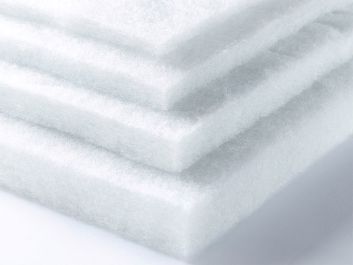
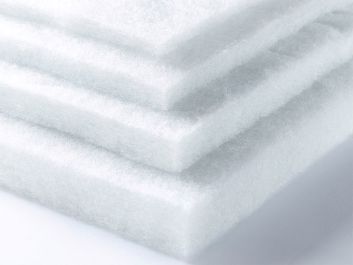
Quilt wadding, also known as batting or insulation material, is an essential component of a quilt. It is the layer of material between the top and bottom layers of the quilt that provides warmth, loft, and durability.
There are many different types of quilt wadding available on the market, each with its own unique properties and uses.
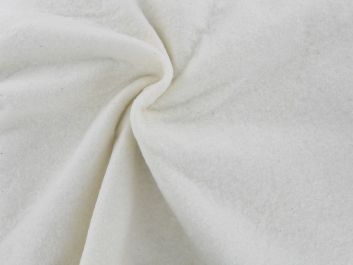
Cotton wadding is one of the most popular types of quilt wadding. It's a natural and breathable material that lends a traditional look and feel to quilts.
Cotton wadding (or batting) is machine washable which makes it a good option for everyday quilts. Cotton batting, on the other hand, can be quite heavy, making it unsuitable for large quilts or those who prefer a lighter-weight quilt.
Polyester batting is another popular choice for quilt wadding. Polyester wadding is lightweight and long-lasting, making it an excellent choice for quilts that will be used frequently or for those who prefer a more modern look.
It is also hypoallergenic and simple to maintain because it can be machine washed and dried. However, polyester batting can be prone to bearding, which occurs when fibers migrate to the quilt's surface, creating a fuzzy appearance.
Wool batting is an excellent choice for those seeking a more environmentally friendly option. Wool batting is a warm and breathable natural and renewable material. It is also lightweight and lofty, lending a fluffy and cozy feel to quilts. Wool batting, on the other hand, is quite expensive and is not recommended for those who are allergic to wool.
Quilt wadding can be used for a wide range of projects, including quilts, blankets, and other home decor items. It is also commonly used for added insulation in clothing, such as jackets and coats.
Most quilt wadding can be machine washed and dried, but some may require you to pay special attention. It is also important to consider the type of fabric used to make the quilt, as some fabrics may shrink or bleed when washed at certain temperatures.
In conclusion, quilt wadding is an important part of a quilt because it provides warmth, loft, and durability. There are many different types of quilt wadding available on the market, each with its own distinct properties and applications. When selecting quilt wadding, keep the project in mind, as well as personal preferences and any special care instructions.